For more than a decade, the opioid crisis has significantly affected communities across the United States. Recent public health data indicate that fentanyl and other synthetic opioids are a leading contributor to overdose deaths. Fentanyl is estimated to be approximately 50 times more potent than morphine, which increases the risk of overdose and other serious complications. Because of these risks, medically supervised fentanyl detoxification is often recommended for individuals who have developed opioid dependence.
Fentanyl belongs to a class of medications known as opioids, which are commonly prescribed for the management of severe or chronic pain. These medications affect the central nervous system and may produce relaxation and euphoria. However, repeated use can lead to tolerance and physical dependence. Once dependence develops, individuals may find it difficult to stop using the drug due to rapid onset of withdrawal symptoms that can be physically and psychologically distressing.
Magnolia City Recovery Center, located in the Houston area, provides medically supervised services for individuals experiencing fentanyl withdrawal. The program uses evidence-based detox protocols and clinical monitoring to support patient stabilization during the withdrawal process. Medical staff evaluate each individual and coordinate appropriate care during detoxification.
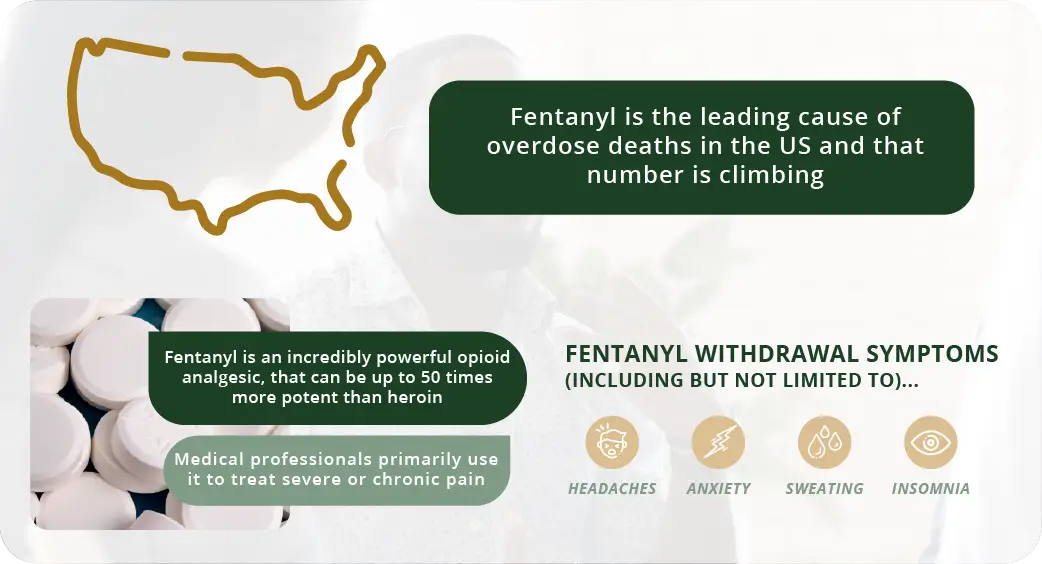
Fentanyl withdrawal symptoms include:
- Extremely strong cravings
- Headaches
- Nausea and vomiting
- Sweating
- Muscle cramps
- Runny nose
- Dizziness
- Anxiety
- Irritability
- Depression
- Insomnia
- Elevated blood pressure
How Long Does It Take to Detox From Fentanyl?
Withdrawal from fentanyl may persist for several weeks, although the most intense symptoms typically occur during the first few days. Many individuals experience noticeable improvement within four to twenty days. In certain situations, individuals may continue to experience post-acute withdrawal symptoms, commonly referred to as PAWS.
What are PAWs?
Post-acute withdrawal symptoms (PAWS) refer to a group of symptoms that may appear after the initial phase of physical withdrawal has subsided. These symptoms occur while the brain and nervous system gradually adjust to the absence of opioids after a period of prolonged exposure. PAWS often involve psychological and emotional changes.
Individuals experiencing PAWS may report symptoms such as anxiety, depressed mood, or fluctuations in emotional regulation. These effects are more frequently observed in people who have used fentanyl for an extended period or in higher doses.
Although PAWS symptoms usually improve over time, they may continue for several months following detoxification. Participation in a structured addiction treatment program after detox can help individuals manage these symptoms and reduce the likelihood of relapse.
It is also important to note that fentanyl withdrawal may involve physical complications that require clinical monitoring. Medical detox programs provide supervision and may prescribe medications to help manage symptoms and maintain patient safety during the withdrawal process.
What Factors Affect Fentanyl Detox?
In addition, an individual’s detox experience may be influenced by several factors, including:
- Length of drug abuse or addiction
- Did fentanyl abuse include any other opioids?
- The intensity of drug cravings and fentanyl withdrawal symptoms
- If the person has been in addiction treatment previously
- Presence of mental health or co-occurring disorder
This list is not exhaustive, but it highlights common factors clinicians evaluate when determining appropriate medications and treatment strategies.
How Does a Fentanyl Detox Program Manage Withdrawals?
Methadone and Buprenorphine
Methadone and buprenorphine are medications commonly used to support individuals experiencing opioid withdrawal. They may be administered during detoxification and can also be used as part of longer-term medication-assisted treatment programs. These medications help reduce cravings and alleviate withdrawal symptoms.
Methadone is a long-acting opioid agonist that activates opioid receptors in the brain but does not typically produce the same euphoric effects when used as prescribed in a clinical setting. It can help stabilize individuals by reducing cravings and limiting withdrawal-related discomfort.
Buprenorphine is classified as a partial opioid agonist. It activates opioid receptors in the brain to a lesser degree than full opioid agonists. This property allows it to reduce withdrawal symptoms and cravings while lowering the risk of misuse compared with some other opioids.
Additional medications may also be prescribed to address specific symptoms that occur during detox. These can include medications for blood pressure changes, nausea, gastrointestinal symptoms, or mood-related concerns. During the intake evaluation, healthcare professionals determine which medications may be appropriate. Patients are monitored throughout the detox process, and treatment may be adjusted if necessary.
What Can Be Used for Ongoing Opioid Cravings?
Naltrexone works by binding to opioid receptors and blocking other opioids from activating them. If a person takes fentanyl or another opioid while naltrexone is active in the body, the drug’s typical effects are significantly reduced. Because naltrexone does not activate opioid receptors, it does not produce euphoric effects and may support abstinence when used as part of a comprehensive treatment plan.
What Is Fentanyl?
Illicitly manufactured fentanyl is also commonly mixed with other substances, including heroin or counterfeit medications, which increases overdose risk. Under the Controlled Substances Act, fentanyl is classified as a Schedule II controlled substance due to its medical use and high potential for misuse.
Fentanyl is a synthetic opioid, meaning it is produced through chemical processes rather than derived directly from the opium poppy. It is estimated to be approximately 50 times more potent than morphine.
Originally developed for anesthesia and severe pain management, fentanyl has increasingly been associated with illicit drug markets.
According to the National Institute on Drug Abuse (NIDA), synthetic opioids—primarily fentanyl—have been a major contributor to overdose deaths in recent years.
Signs and Symptoms of Fentanyl Addiction
- Mood swings
- Withdrawing from family and friends
- Noticeable changes in social settings
- A decline in hygiene and appearance
- Significant weight loss
- Sunken eyes
- Constipation
- Falling asleep or “nodding out” at inappropriate times.
- Anxiety
- Depression
- Paranoia
- Confusion
- Hallucinations
- Job loss
- Monetary Issues
- Relationship issues
- Failing or dropping out of school
Fentanyl Detox Center Near Houston, Texas
We offer free parking, comfortable rooms, and a friendly staff ready to answer any questions you might have. Our goal is to help our patients get back on their feet by providing them with ongoing support in the best possible environment in which they can begin to heal.
Fentanyl Detox Center in The Woodlands
Our fentanyl detox center is located in Conroe, Texas, near Lake Conroe and The Woodlands, offering easy access to beautiful beaches, wildlife preserves, and serene parks. It is easily accessible for those who are looking for residential fentanyl detox in:
- The Woodlands, TX
- Spring, TX
- Tomball, TX
- Humble, TX
- Aldine, TX
- Atascocita, TX
- Huntsville, TX
- Jacinto City, TX
- Cloverleaf, TX
- West University Place, TX
- Bellaire, TX
- Galena Park, TX
- Channelview, TX
- Katy, TX
- Conroe, TX
Take the next step and help yourself or a loved one to recover from fentanyl addiction now. Learn more about our admissions process today and request a free insurance verification.
FAQs
Just like opioids or opiate detox, detoxing from fentanyl at home is not recommended, and the risk can be life-threatening. It also takes much longer than going into an accredited treatment center. For the best chance at recovery, it’s best to get the appropriate help.
Insurance coverage varies from one plan to another. Some plans cover up to 50% of the cost, while others only provide 10%. Some plans require preauthorization before treatment begins. Others allow you to go directly to treatment.
The insurance company determines what services are covered. The provider must then determine whether or not the patient qualifies for the service. If you have insurance coverage for detox and rehabilitation, please contact Magnolia City Detox to learn how we can assist you.
Yes, detoxing is only the first step in overcoming fentanyl addiction. Our inpatient rehab in the Houston metro area will help you overcome the underlying causes of your addiction and prepare you for life in recovery.
Treatment programs offer a variety of therapy options, relapse prevention planning, and drug addiction programs. Addiction is considered a chronic relapsing disease, but those who enter into a program are more likely to remain in recovery than those who do not.